
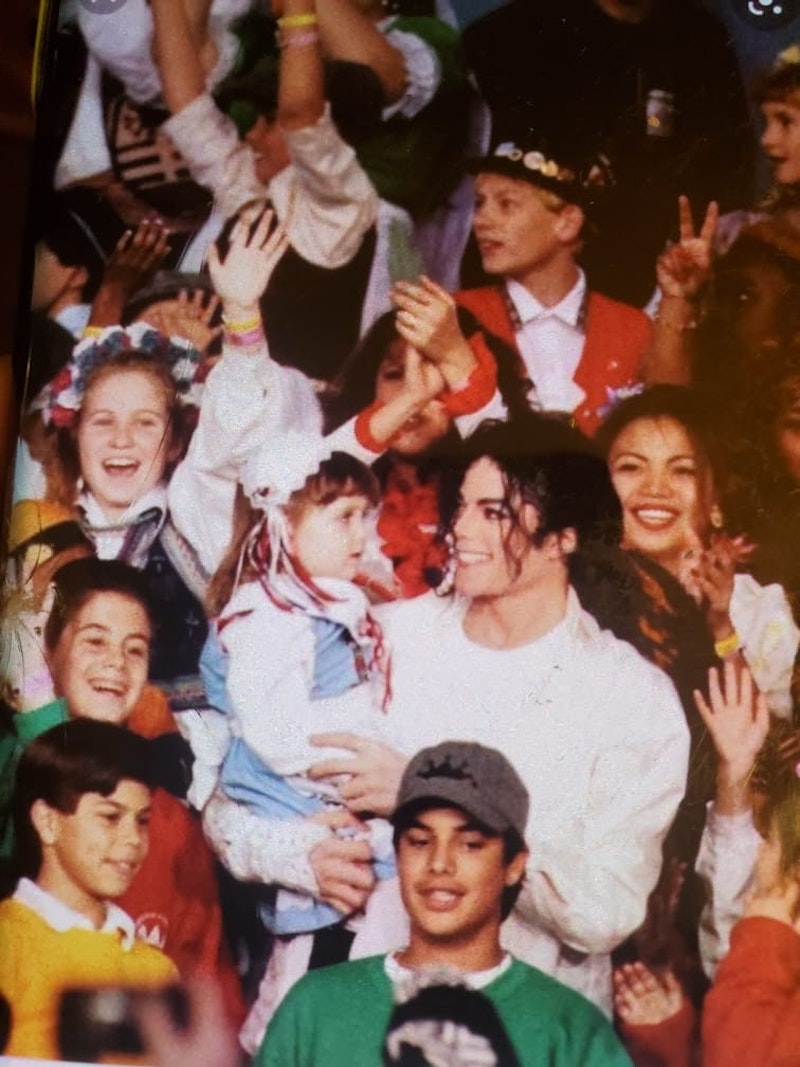
People keep discovering new reasons to hate Michael Jackson. New tapes. Old testimonies. Fresh reminders that the man who sang about healing the world appears to have been actively poisoning it. At this point, calling him “flawed” is a dodge. The word that fits better is monster. And yet, knowing what he was, I still press play. This is the scandal beneath the scandal. Not just what Jackson did, but what we do after learning it.
The opening bassline of “Billie Jean” still hits today as it did decades ago. Every beat builds tension. When the voice enters, the story feels urgent, like something dangerous is about to be revealed. “They Don’t Care About Us” sounds angry and unfiltered. And “Thriller” turns something scary into something people want to dance to. Michael Jackson wasn’t a good man, but he was a great artist—arguably the greatest of them all.
He could dance and sing. His voice stayed high and childlike, as if fame arrived before adulthood. Which is exactly what happened with the Jackson 5, under an abusive father who turned childhood into a lucrative business. Knowing what we know now doesn’t erase his songs. Rather, it changes how they sound. The tunes remain and beauty remains. But the innocence doesn’t.
If we threw away every work made by a bad person, there would be almost nothing left. History is full of great artists who were terrible human beings—writers, singers, and filmmakers alike. Woody Allen built a career on stories of love, guilt, and neurosis, while his private life became a source of controversy. His films helped shape modern comedy and romance, even as his reputation was obliterated by accusations that never went away. Roman Polanski created some of the most unsettling films of the 20th century, then fled America after pleading guilty to raping a 13-year-old girl. His work is still taught in film schools. His crime now follows his name.
The fall of R. Kelly further underscores the point. He built a career on songs about lust and control, then lived them out in real life. Today, his songs sound less like romance and more like evidence set to music. Playing them feels wrong. But the hooks work, and the melodies last. Art outlives its maker, even when the maker ruins himself. The same goes for Kanye West, a brilliant talent who broke down in public, turning music into a confession. Talent doesn’t make people good. It only makes their failures more spectacular.
Why? Because a song doesn’t assault anyone. A film doesn’t molest a child. The harm’s human; the artwork’s an object. We can judge the man while recognizing the craft. That idea survives because it reflects reality. Moral disgust doesn’t change how a song sounds or how a film looks.
Back to Jackson. He didn’t make those aforementioned records alone. Producers, musicians, engineers, and dancers all helped shape that sound. Erasing the music would erase their work too. Boycotts sound righteous until the damage spreads beyond the guilty.
Great art has always come from less-than-great people. Caravaggio killed a man. Wagner preached poison. Ezra Pound loved fascism. Picasso treated women like trash. The gallery of genius is very often a gallery of disgrace. Nothing new has appeared; documentation has simply improved. What has changed, though, is the appetite for purity. We want saints who can sing and angels who can act. When they fail, the betrayal feels personal. Lyrics become evidence. Scenes turn into motives. Jackson’s childlike themes now feel ominous. Kelly’s seductions sound strategic. Allen’s jokes read like rehearsals.
Some draw a hard line. Songs are deleted and directors are cancelled. That choice can be defended. Others separate the work from the worker and keep going. That choice can be defended, too. Most hover in between. I don’t.
I still listen to Jackson because the music captures something real about joy and loneliness. This isn’t a case for absolution. Monstrous people deserve judgment. Victims deserve justice. Culture, however, isn’t a courtroom. What lasts isn’t always born from what’s good. Michael Jackson’s music is proof of that.