
Adjusting to life without a mom is different for everyone—no matter how old you are when it happens. It’s an experience as unique as our fingerprints; the relationships we have with our moms and the circumstances of when or how they depart our aren’t the same for any of us. Maybe that’s why it’s a markedly lonely experience.
When Mom died in January, I was in executive function mode as the oldest daughter. For December through February, there were hospital visits, planning for dad to move to a home since she’d been his caretaker, cleaning out the home with their 60+ years of belongings. I rotated between my home in Maryland and my native Pennsylvania, and I didn’t think or feel much.
I hadn’t spent much time crying in those three months. I did occasionally, but it was usually when I saw someone in my family hurting or grieving. There’s a type of compartmentalization when you’re in the driver’s seat: your brain’s so busy doing the necessary things, writing the obituary, communicating with the funeral home, the landlady and the doctors. Emotion isn’t a luxury to indulge, even as your mother lay dying. In the good moments, which were about 10 percent of her time that wasn’t ravaged by the tumors, I was sure to do FaceTimes with my brothers or my dad so that they’d have those precious moments with her. In the meantime, I saw the often-terrifying other 90 percent of the time, when she was incoherent and restrained to the bed.
March arrived. I can’t stop crying. As a miniaturist, my club’s annual show is this weekend. Each year we prepare themed diorama-style pieces for a “people’s choice” contest at the show. Last year I wrote about completing a miniature Hooper’s Store from Sesame Street. This year, well, I’ll write about it next week. But as I have neared completing it in recent weeks, I wondered why it was making me sad.
Then I realized: it’s the first time I’m completing a project without being able to send a photo of it to my mom. At Christmas, I finished a miniature veterinary clinic for my veterinarian daughter and sent a photo of the project to my mom. She never really used the words “I’m proud of you.” I think we all need to hear this and I’ve always made an effort to say it to my kids and even to friends. But I knew my mom, as an artist and fan of miniatures herself, had an appreciation for the details in my work. In fact, usually she’d make “suggestions for improvement” that I’d hear as criticism, and that internal voice is one reason my work is as detailed as it is.
I was diagnosed with Borderline Personality Disorder years ago, an emotional regulation form of depression as a result of my chaotic, dysfunctional and often abusive childhood. I’m working on a memoir: I began therapy the day I found out I was pregnant more than 30 years ago. There are many touchpoints in my life, patterns, lessons along the way that’ve made it easier or harder for me. One in 10 people with BPD take their lives and over 75 percent attempt. I’ve lost two siblings for a reason. BPD isn’t an easy path; it’s lonely—isolation is comfort and protection. Completing the memoir (along with a collection of essays I’m working on) isn’t a story of victimhood but of survival.
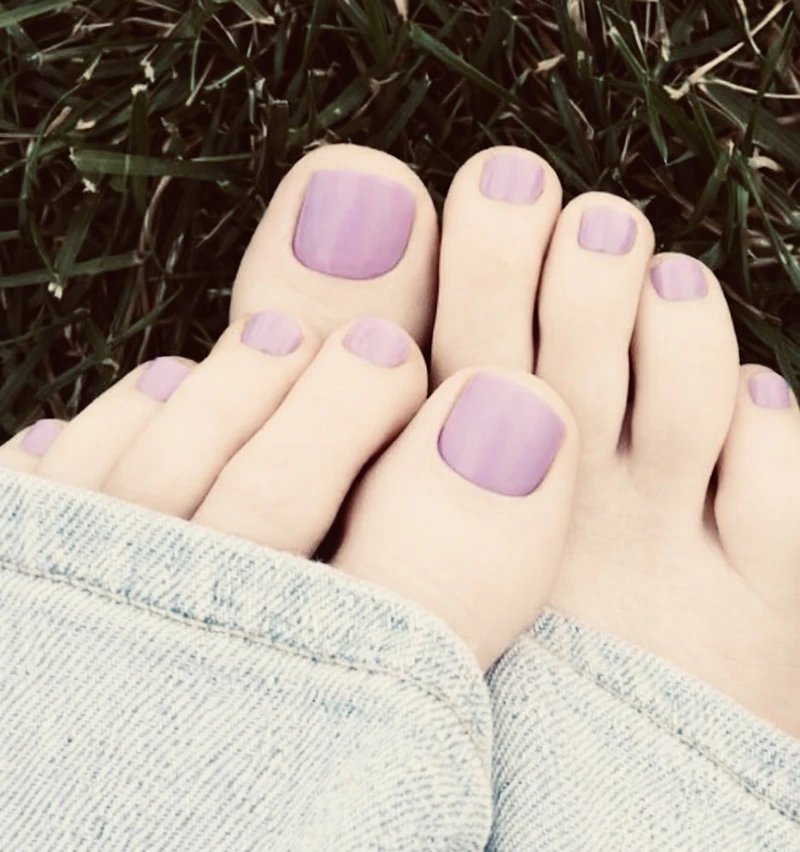
I’m wearing worn purple nail polish from a pedicure that was too long ago, sometime when my mom was still alive. I need a pedicure. I never get purple, it’s not even a color I like. She never knew, will never know. But at the time I picked it for her.